
Over 30 Years of Experience
Excellence in Non-Destructive Testing and Inspections
We combine technology, expertise, and commitment to ensure the integrity and reliability of your projects.
About Us
Founded in 2023, our company aims to combine tradition, expertise, and innovation in the field of Non-Destructive Testing and technical inspections.
Led by a professional who has been in the industry since 1991—bringing more than three decades of knowledge, ethics, and commitment to quality—we have built a highly qualified and dedicated team.
Our focus is to deliver safety, reliability, and excellence in every project, ensuring precise results and the highest technical standards.
Areas of Expertise
Mission
Ensure excellence and quality in the delivery of our services, upholding the safety and reliability of our clients’ products and processes.
Vision
To be recognized as a benchmark in the markets in which we operate, distinguished by the precision, reliability, and innovation of our solutions. We strive to be strategic partners to our clients, contributing to their growth and success.
Values
Integrity, ethics, social and environmental responsibility, excellence, and commitment.
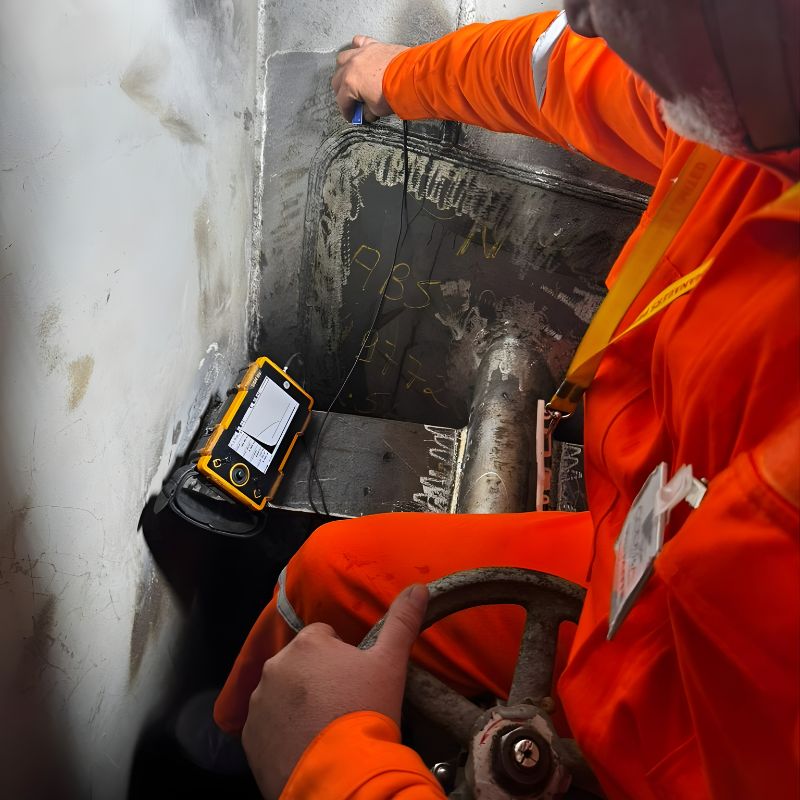
Accurate assessment of the thickness of plates and metallic structures for corrosion and wear control. We can identify cracks, leaks, corrosion, and other irregularities in tanks, pipes, hulls, and other parts of a vessel—without cutting, drilling, or damaging the surface.
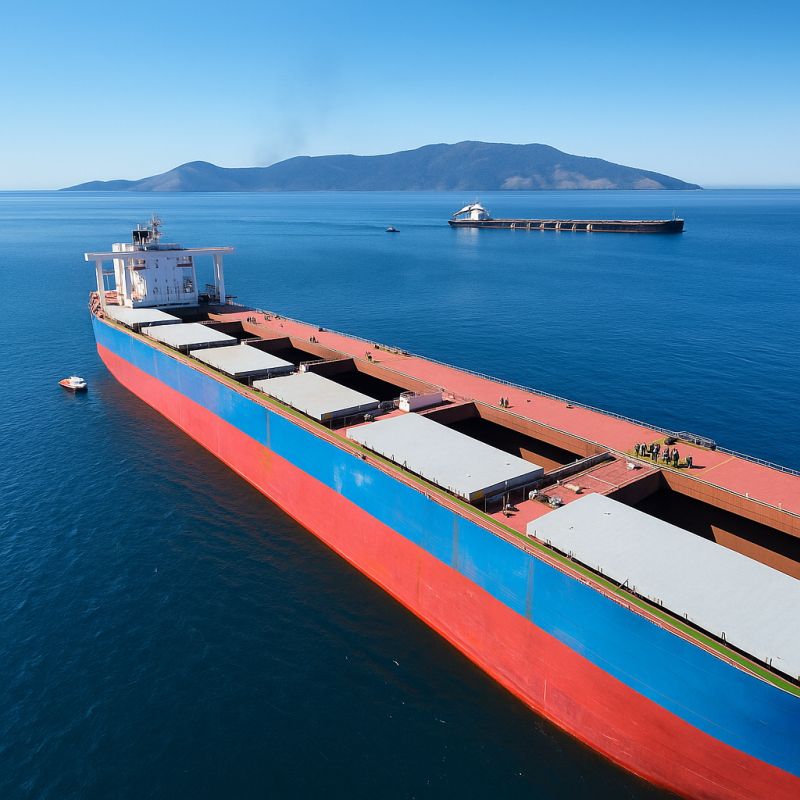
According to NORMAM-301/DPC, a condition inspection must be carried out on all bulk carriers and combination carriers (ore-oil or ore-bulk-oil) aged eighteen years or older that call at national ports to load solid bulk cargoes with a specific weight equal to or greater than 1.78 t/m³, as well as vessels intended for the transport of live cargo. After the inspection report is analyzed and no outstanding deficiencies are identified, the vessel is cleared for loading for a period of one year. This inspection is essential to ensure maritime safety, helping prevent accidents and incidents at sea.
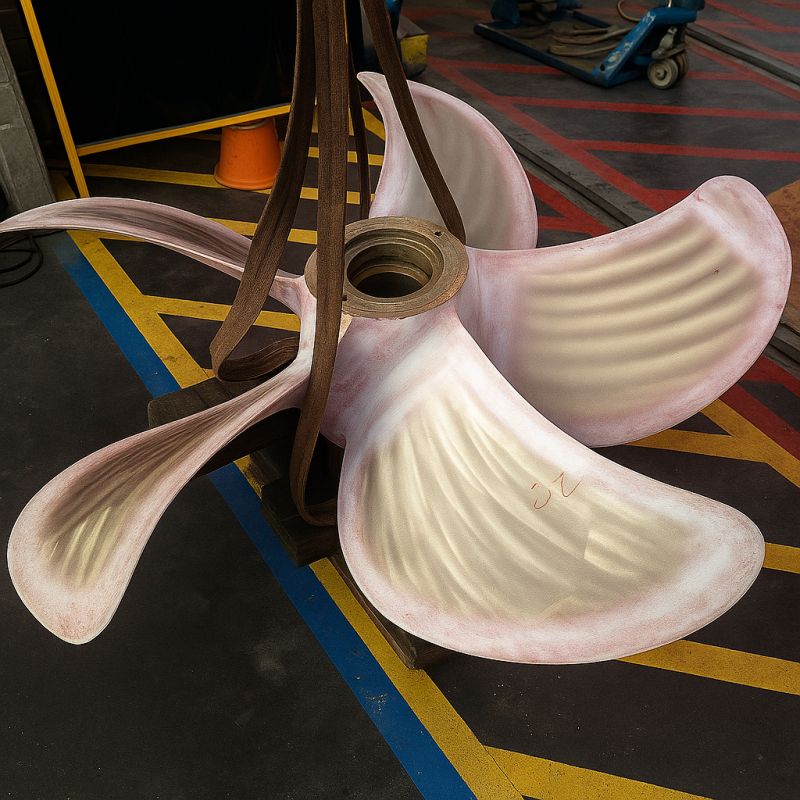
A simple and effective method used to detect surface discontinuities in non-porous materials—such as cracks, pores, voids, or fissures that appear on the surface of a component.
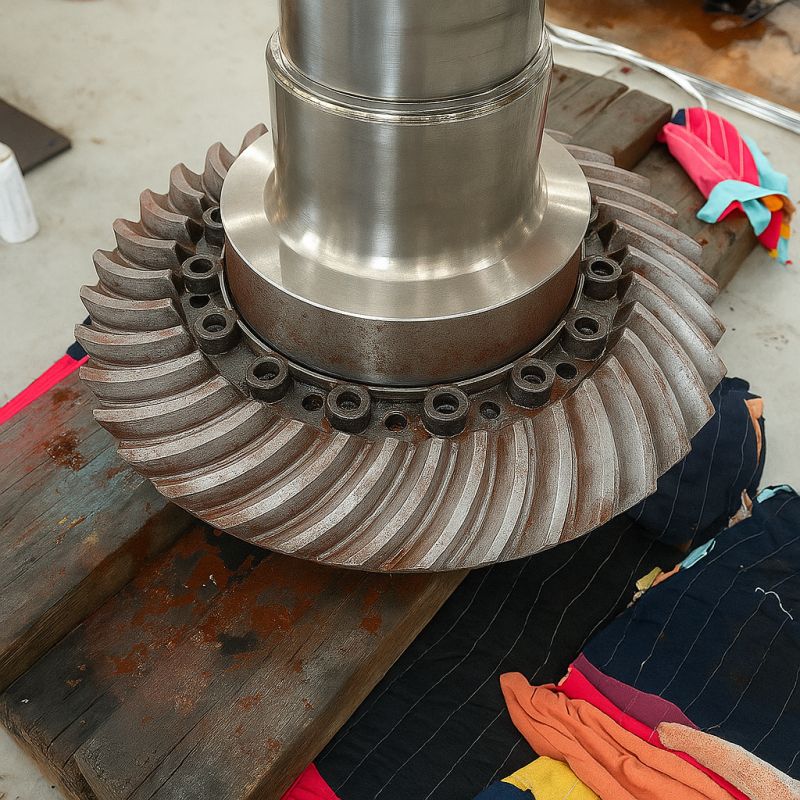
It is used to detect surface and near-surface discontinuities in ferromagnetic materials, such as carbon steel and cast iron. The test involves creating a magnetic field on the material’s surface and then applying magnetic particles, which are drawn to the areas where defects are present.
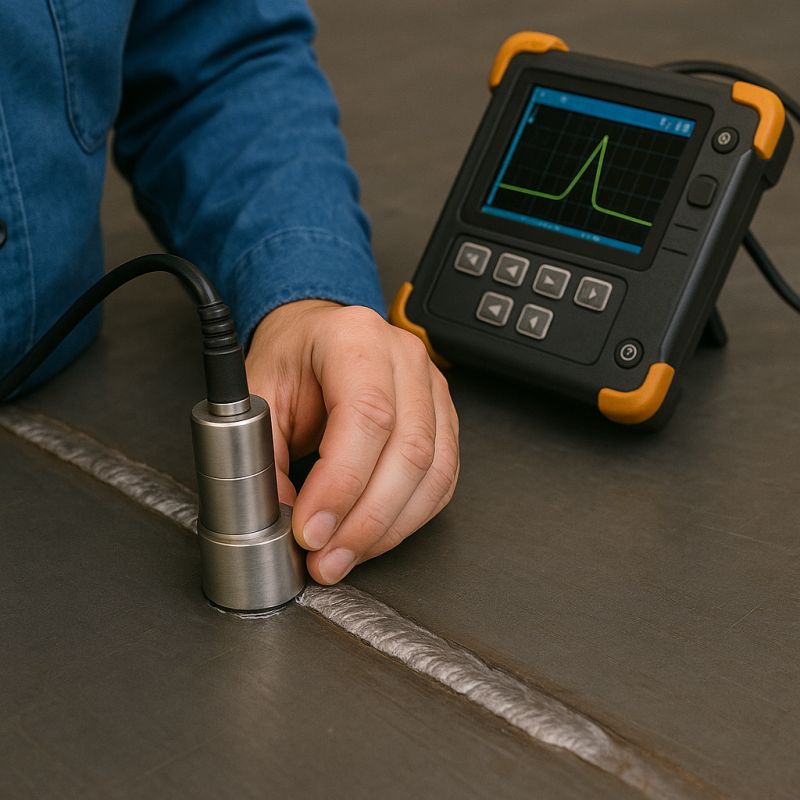
A highly precise procedure used to detect internal flaws and discontinuities in welds that may compromise their quality and structural integrity.
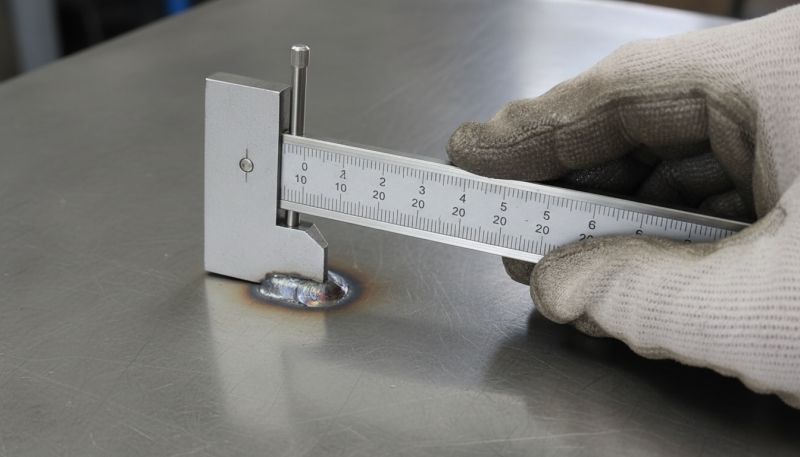
It is the process of verifying the quality and compliance of welds, both visually and with the support of instruments and complementary tests. The goal is to ensure that each weld meets the safety, strength, and finish standards required by technical regulations.
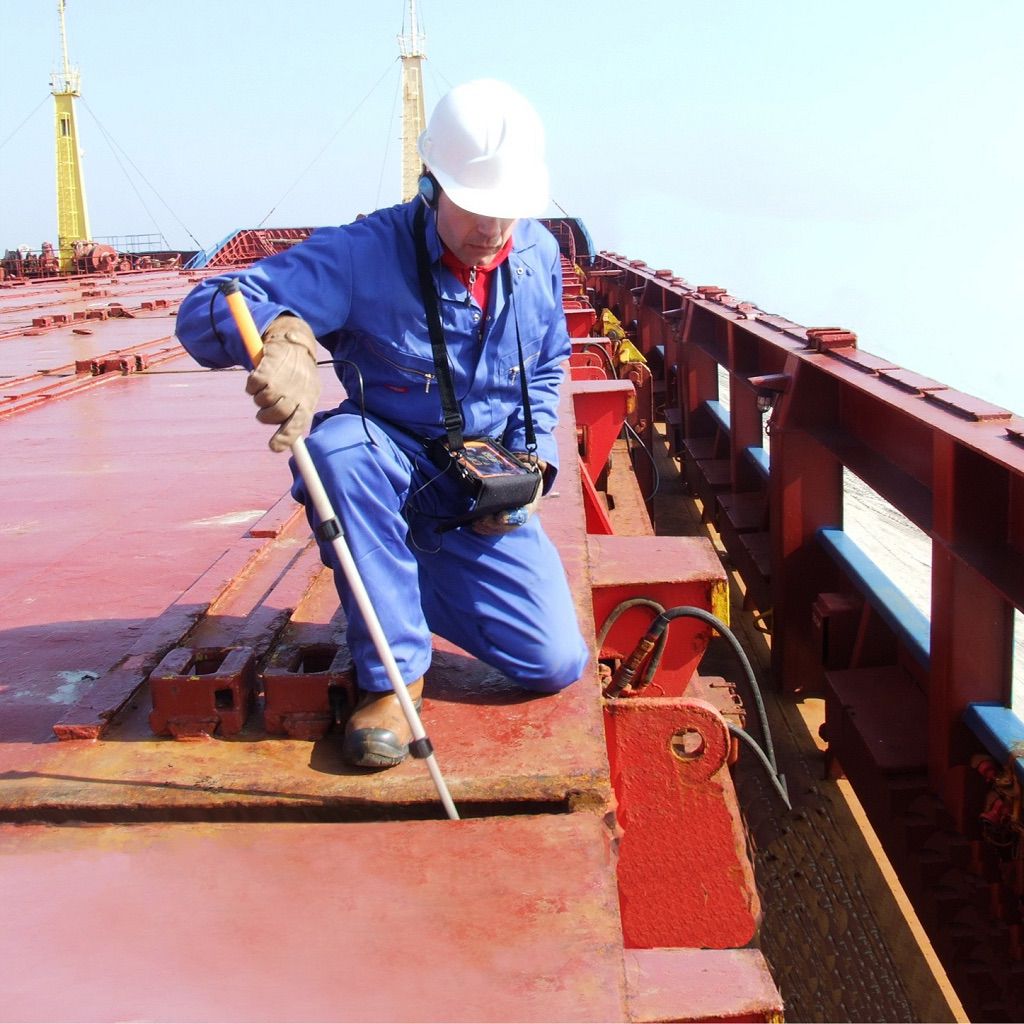
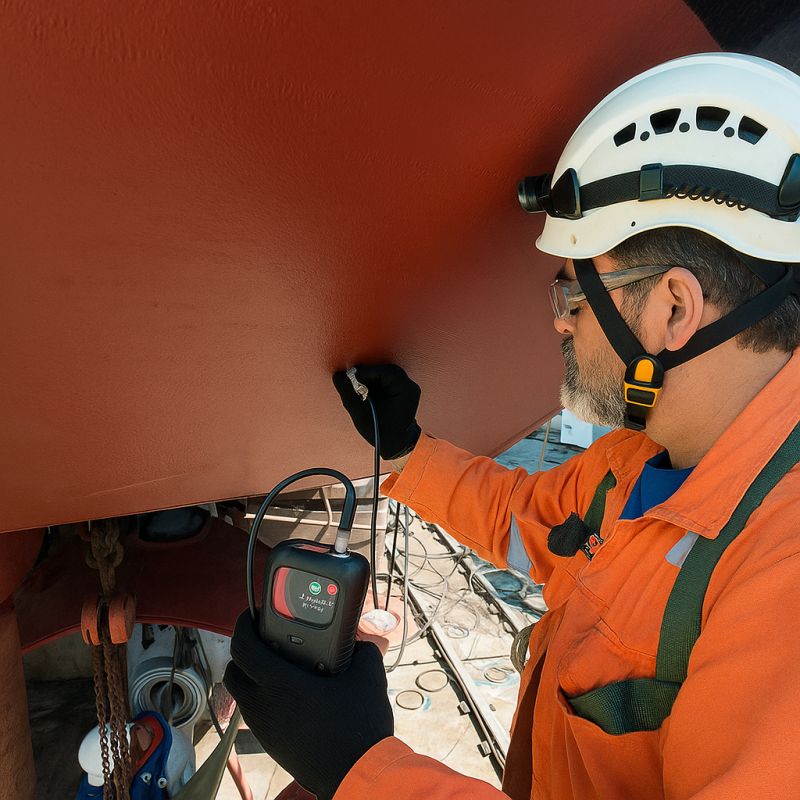
A procedure used to verify whether a system—such as pipelines or tanks—is properly sealed and free of leaks. This inspection uses acoustic sensors to detect high-frequency (ultrasonic) sounds generated when fluids escape under pressure. The equipment converts these inaudible signals into audible ones, allowing the operator to pinpoint the exact leak location, even in noisy environments.
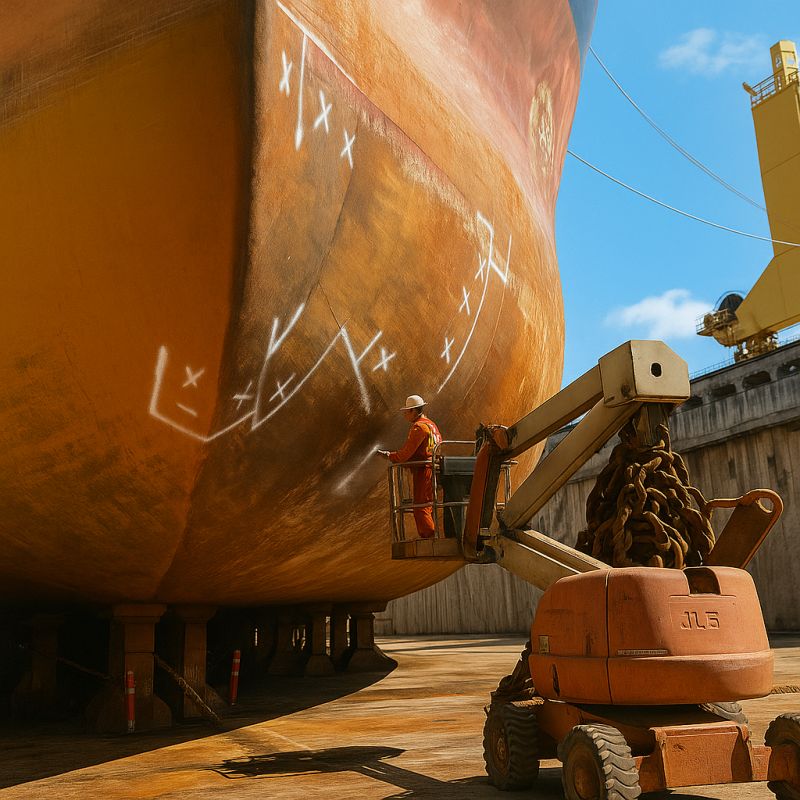
It is performed in areas where substantial corrosion and wastage have been identified, following the thickness measurement inspection. The results are documented in detailed reports that include drawings, exact locations, dimensions, and steel weight calculations.
Its purpose is to detect visible and surface-level issues that may compromise the structural integrity or quality of a material or component. It is generally applied as the first stage of inspection before more advanced Non-Destructive Testing methods. VT is particularly effective in identifying cracks, fractures, corrosion, erosion, chipping, scratches, and other surface imperfections.
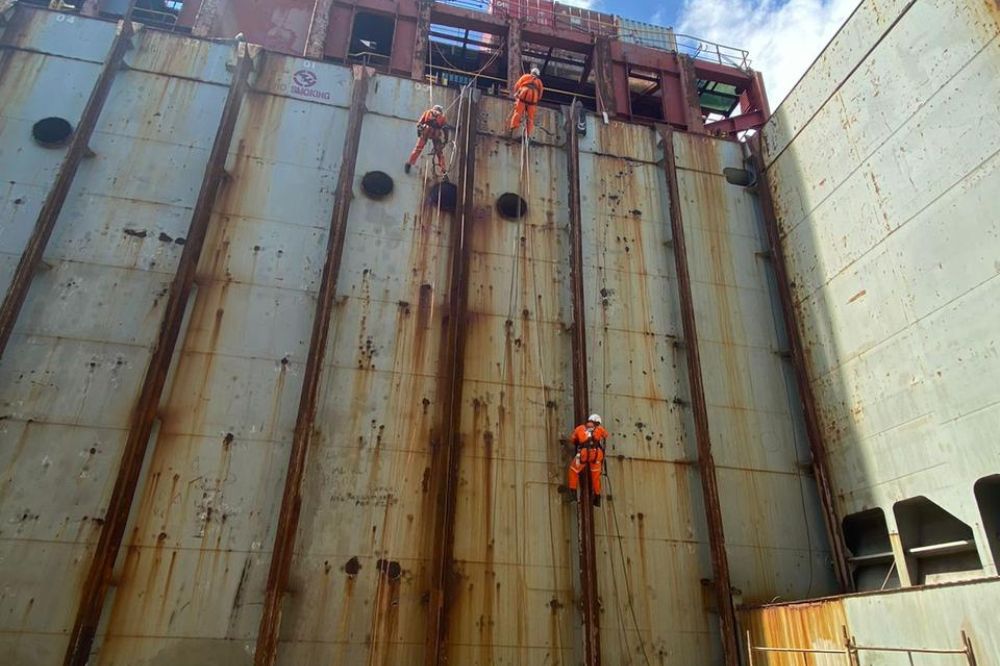
To expedite work in hard-to-reach areas, we rely on a qualified rope-access team certified to operate across multiple environments.
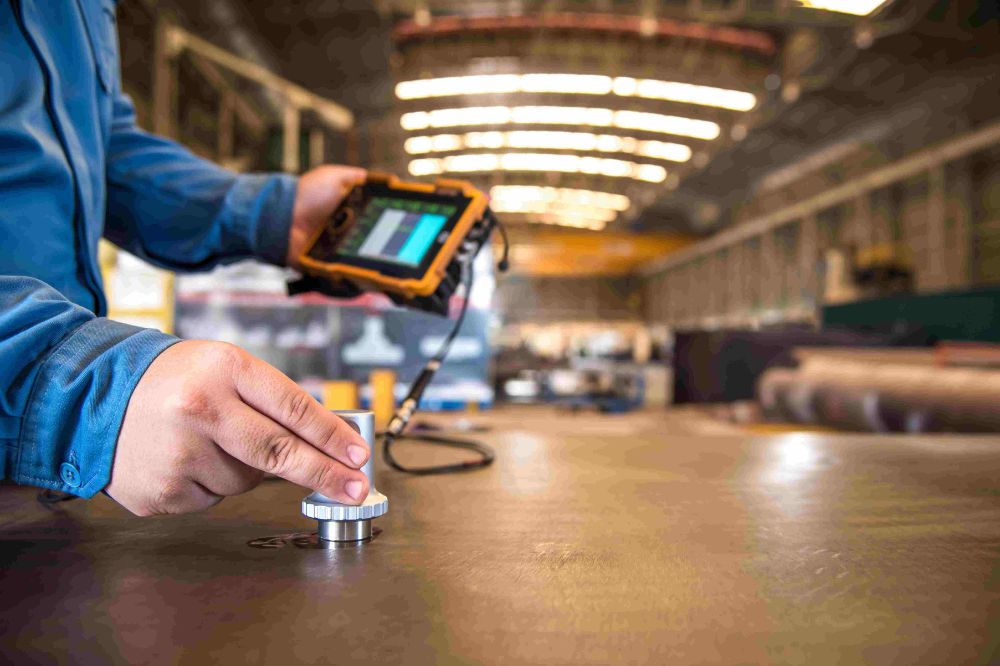
Quality is the central pillar of all activities at Phenicia UTM. Every service we deliver reflects our commitment to efficient management, process standardization, and continuous improvement. We work with a focus on accurate and reliable results, ensuring that every stage—from planning to delivery—is carried out responsibly.
We believe that quality is not an isolated outcome, but a continuous process of evolution. For this reason, we invest in technical training, professional development, and technological innovation. We follow strict technical standards and nationally and internationally recognized guidelines, integrating management and control practices that strengthen the consistency and excellence of our services.
Our goal is to deliver safe, effective solutions that fully comply with the requirements of our clients, partners, and regulatory bodies, consolidating a reputation built on credibility, performance, and trust.

Phenicia UTM is committed to operating responsibly and sustainably, reducing the environmental impact of our activities and contributing to the preservation of natural resources. Our environmental policy is grounded in pollution prevention, the rational use of materials and energy, and the proper disposal of waste.
We adopt integrated environmental management practices, following applicable standards and regulations, with a strong focus on awareness and the engagement of all team members.
We promote training programs and internal initiatives that reinforce the importance of individual and collective environmental responsibility, encouraging sustainable behaviors both inside and outside the workplace.
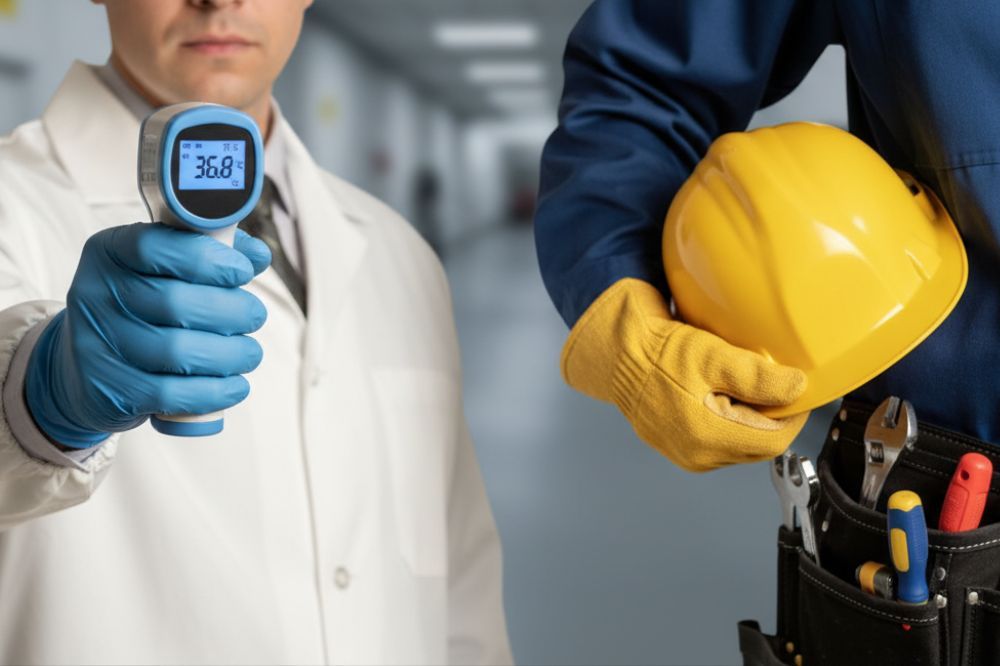
The safety and well-being of our employees are at the core of all our decisions. We believe that a safe workplace is the result of responsible management, a preventive culture, and collective commitment.
We maintain a safe working environment by promoting a safety culture based on Regulatory Standards (NRs). We assess project risks and implement measures that ensure safe and efficient operations.
We conduct risk assessments, routine inspections, and Work Permits (PT) before every critical operation, and we ensure that all PPE is strictly controlled and maintained in perfect working condition.
Our goal is to ensure that every employee returns home safely each day, supported by a culture that values life and mutual respect.